
info.kalyanhospital@gmail.com
Advanced Asthma Treatment & Management
Asthma is a chronic respiratory condition that causes inflammation and narrowing of the airways, making breathing difficult. Common symptoms include wheezing, shortness of breath, chest tightness, and persistent coughing, especially during the night or early morning.
If you are experiencing recurring breathing difficulties, it is important to seek expert care from an experienced asthma specialist. At Kalyan Chest Hospital, Dr. Sonia Dalal provides comprehensive asthma diagnosis, treatment, and long-term management for patients of all age groups.
Our goal is not only to control symptoms but also to improve your quality of life by helping you breathe easier and reduce asthma attacks.
You should consult an asthma specialist if you experience:
If you experience severe breathlessness, wheeze or chest pain, seek immediate medical attention.
Accurate diagnosis is essential for effective treatment. Dr. Sonia Dalal may recommend:
These tests help determine the severity of asthma and identify potential triggers.

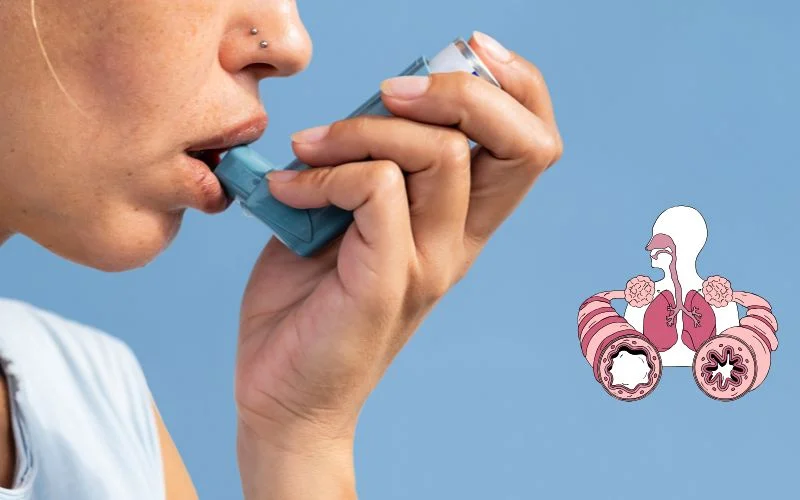
Asthma is a long-term condition that affects the airways of the lungs. When exposed to triggers such as dust, pollen, smoke, pollution, respiratory infections, or exercise, the airways may become inflamed and narrowed, resulting in breathing difficulties.
Although asthma cannot always be completely cured, it can be effectively controlled with proper medical care, lifestyle modifications, and regular monitoring.
When Should You See an Asthma Specialist?
Schedule an appointment if:
Early intervention can prevent complications and improve long-term lung health.
At Kalyan Chest Hospital, asthma treatment plans are customized according to the patient's condition and severity.
Treatment may include:
Inhalers help reduce airway inflammation and provide quick relief from symptoms and help maintain symptom free period.
Long-term medications help prevent asthma attacks and improve breathing control.
Identifying and avoiding triggers can significantly reduce asthma symptoms.
Patients receive education on avoiding triggers, medication use, and self-management techniques.
Periodic follow-up visits, check inhaler technique and compliance help ensure optimal asthma control and adjustment of treatment plans when necessary.